
2015
RETAIN — Resuscitation Training for Neonatal Residents
Designing a serious game that transformed neonatal resuscitation training into an interactive learning experience.
RETAIN was a collaborative university project developed alongside neonatal specialists to explore how serious games could reinforce neonatal resuscitation training. Working with an interdisciplinary team, we transformed a fantasy role-playing game engine into a medical simulation designed to help healthcare professionals practice critical decision-making in a safe, engaging environment. The project later became the subject of a published research paper and was featured by Global News.
ROLE
Experience Designer, Gameplay Designer, UX Writer, Sound Designer, Voice Actor
TEAM
6-Person Interdisciplinary Team (Psychology, Computing Science, Art & Design & Business)
TOOLS
Neverwinter Nights Aurora Toolset • Photoshop • Custom 3D Assets • Foley Recording • Logic Pro X
TIMELINE
4 Months (University Term)
READ TIME
2 Minutes
THE PROBLEM
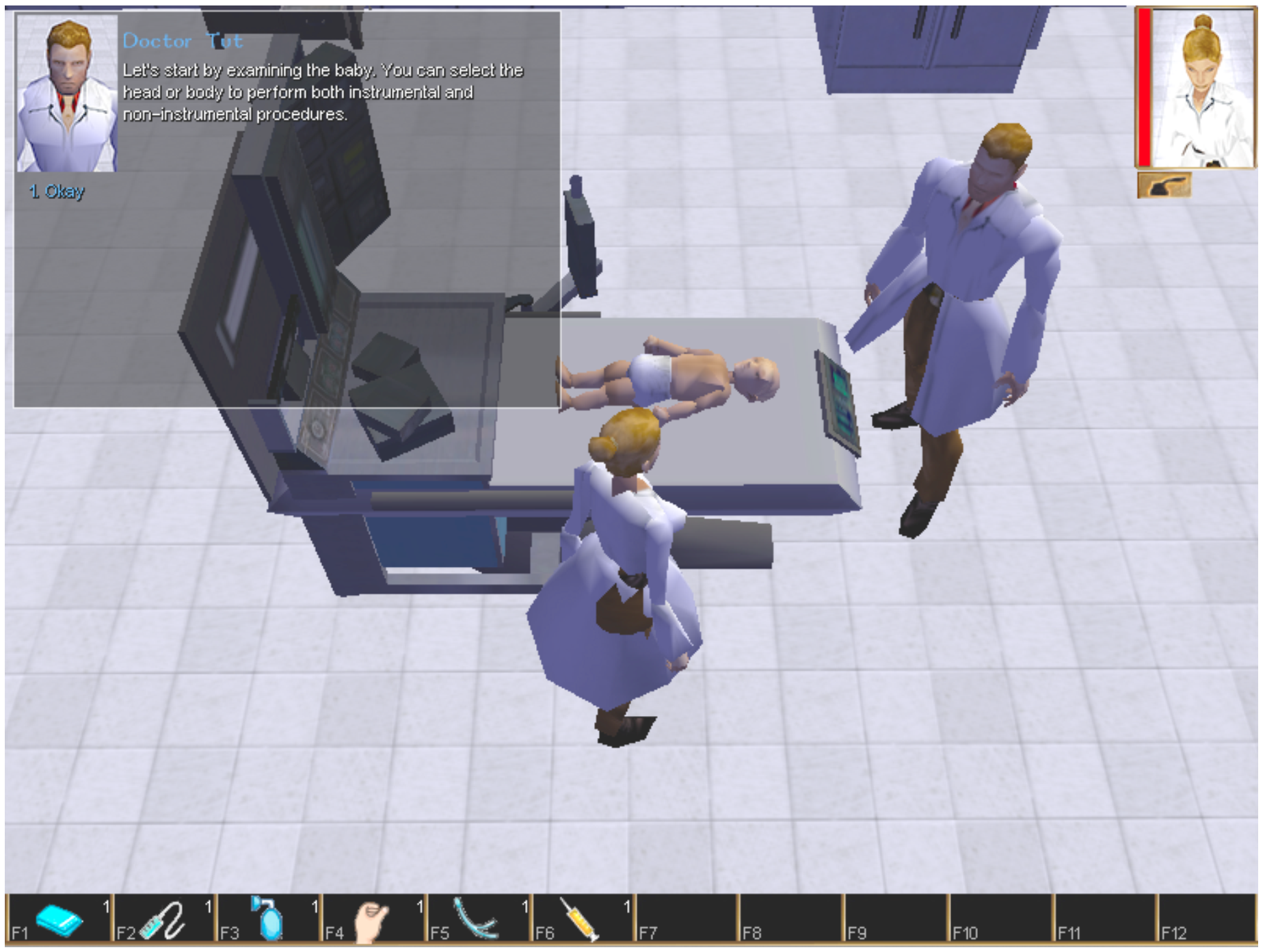
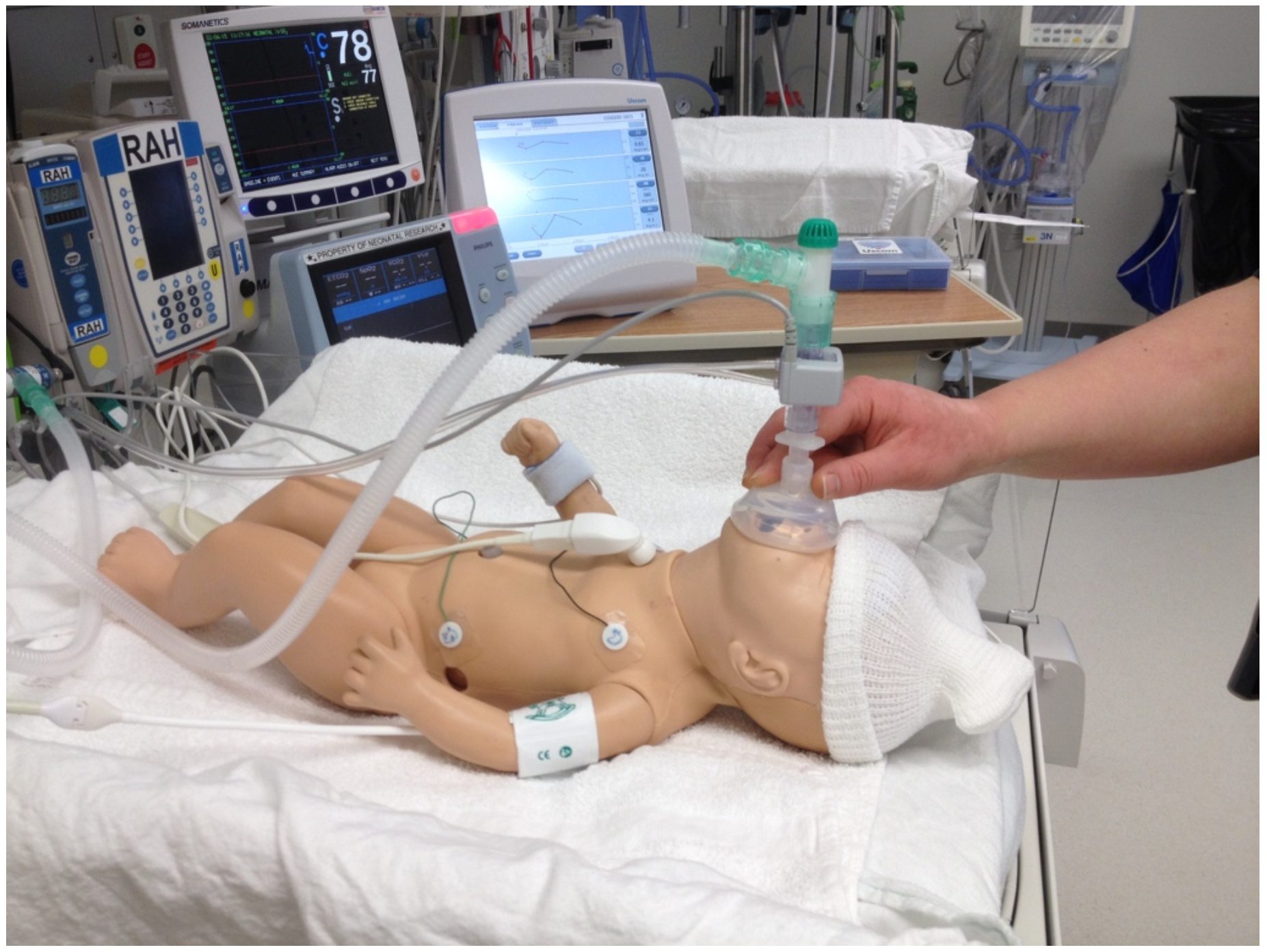
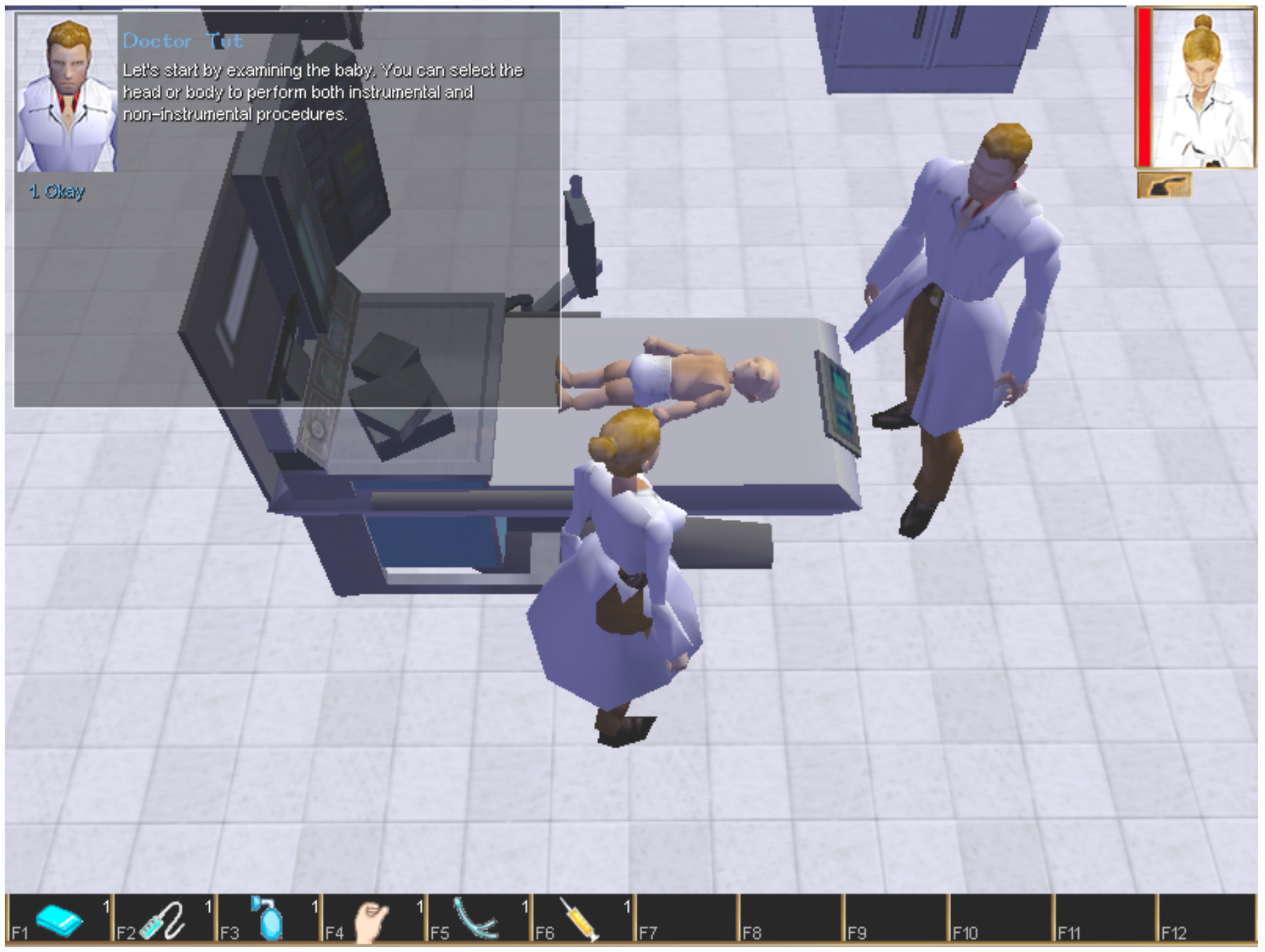
The project challenged our team to recreate a modern neonatal resuscitation environment inside Neverwinter Nights, a game engine originally designed for fantasy role-playing games.
Every aspect of the experience, from hospital rooms and medical equipment to gameplay mechanics and player progression, had to be redesigned around real neonatal workflows while working within the technical limitations of an existing engine.
Beyond recreating the environment, our goal was to make complex medical procedures approachable through intuitive interactions, progressive learning, and meaningful feedback.
DESIGNING THE LEARNING EXPERIENCE
Gameplay Flow
Designed the progression through each training scenario, ensuring players learned procedures gradually while maintaining engagement.
Experience Design
Mapped player interactions and learning sequences to create an intuitive training experience based on real clinical workflows.
Audio Design
Created custom Foley sound effects, music, and recorded voice acting to improve immersion and reinforce player feedback.
Collaboration
Worked alongside developers and neonatal specialists to translate expert knowledge into an interactive educational experience.
Parts of the resuscitation algorithm covered by training scenario (level) 1.
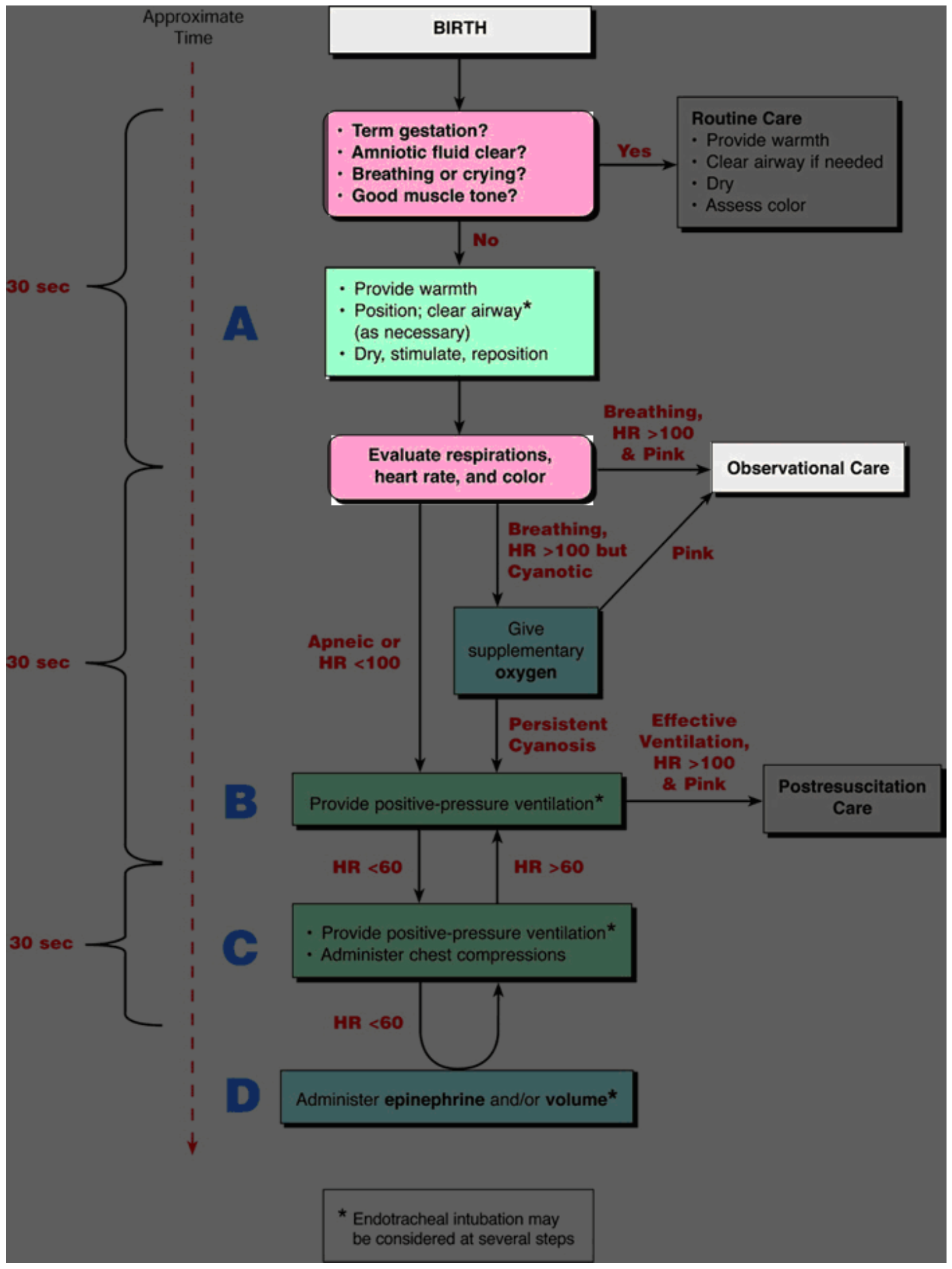
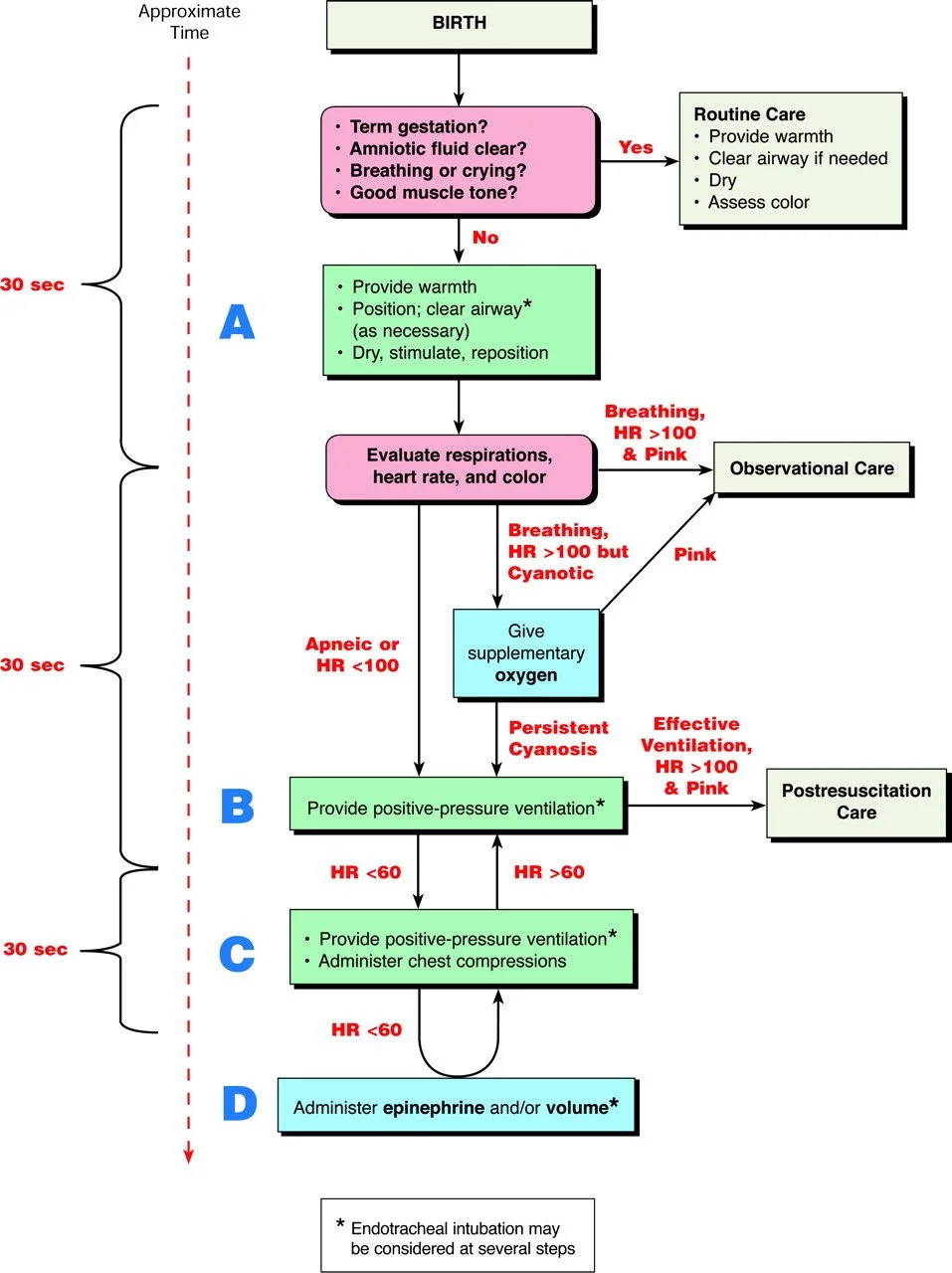
The neonatal resuscitation algorithm by the International Liaison Committee on Resuscitation.
Level Design & Progression
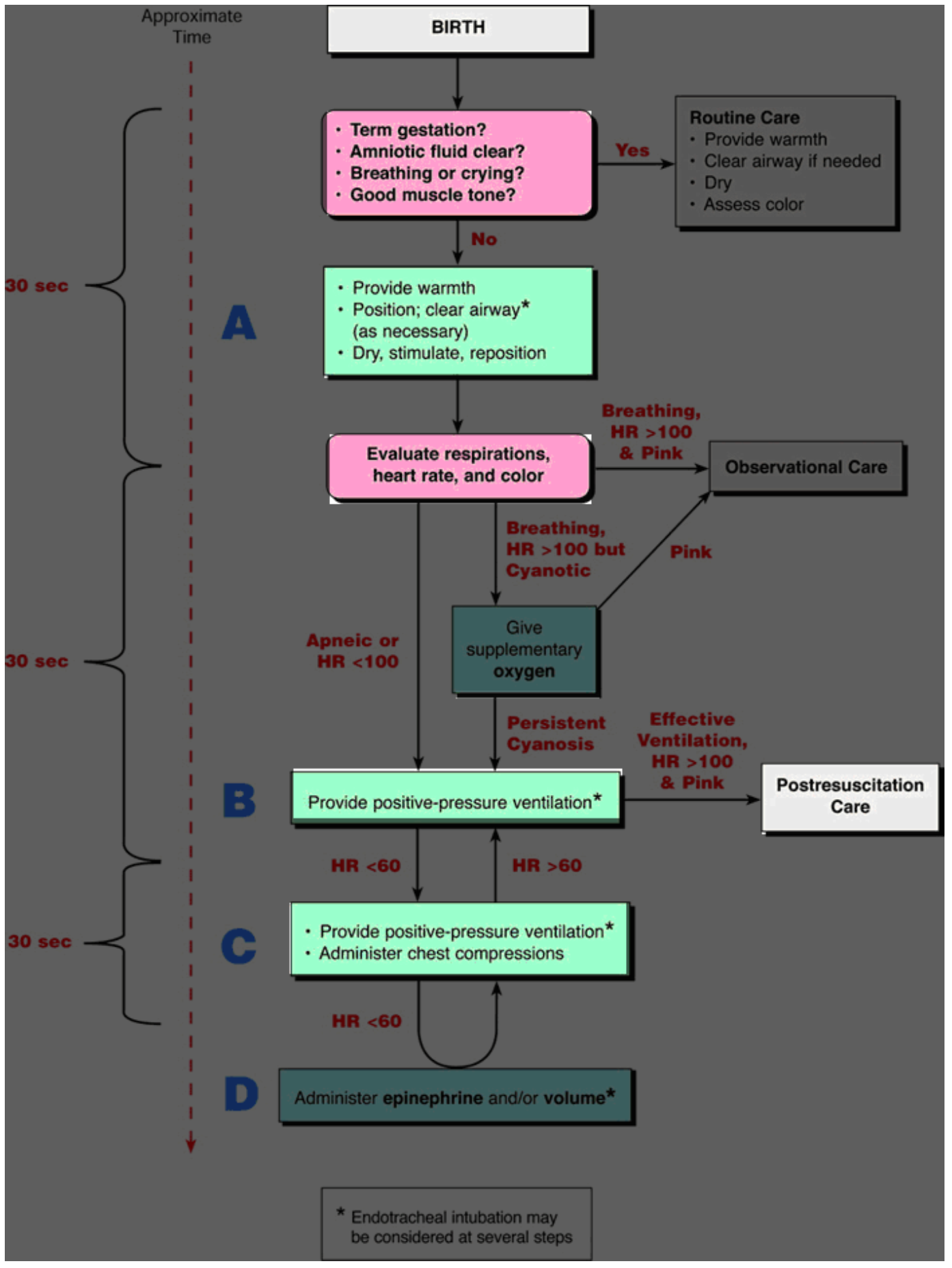
Parts of the resuscitation algorithm covered by training scenario (level) 2.
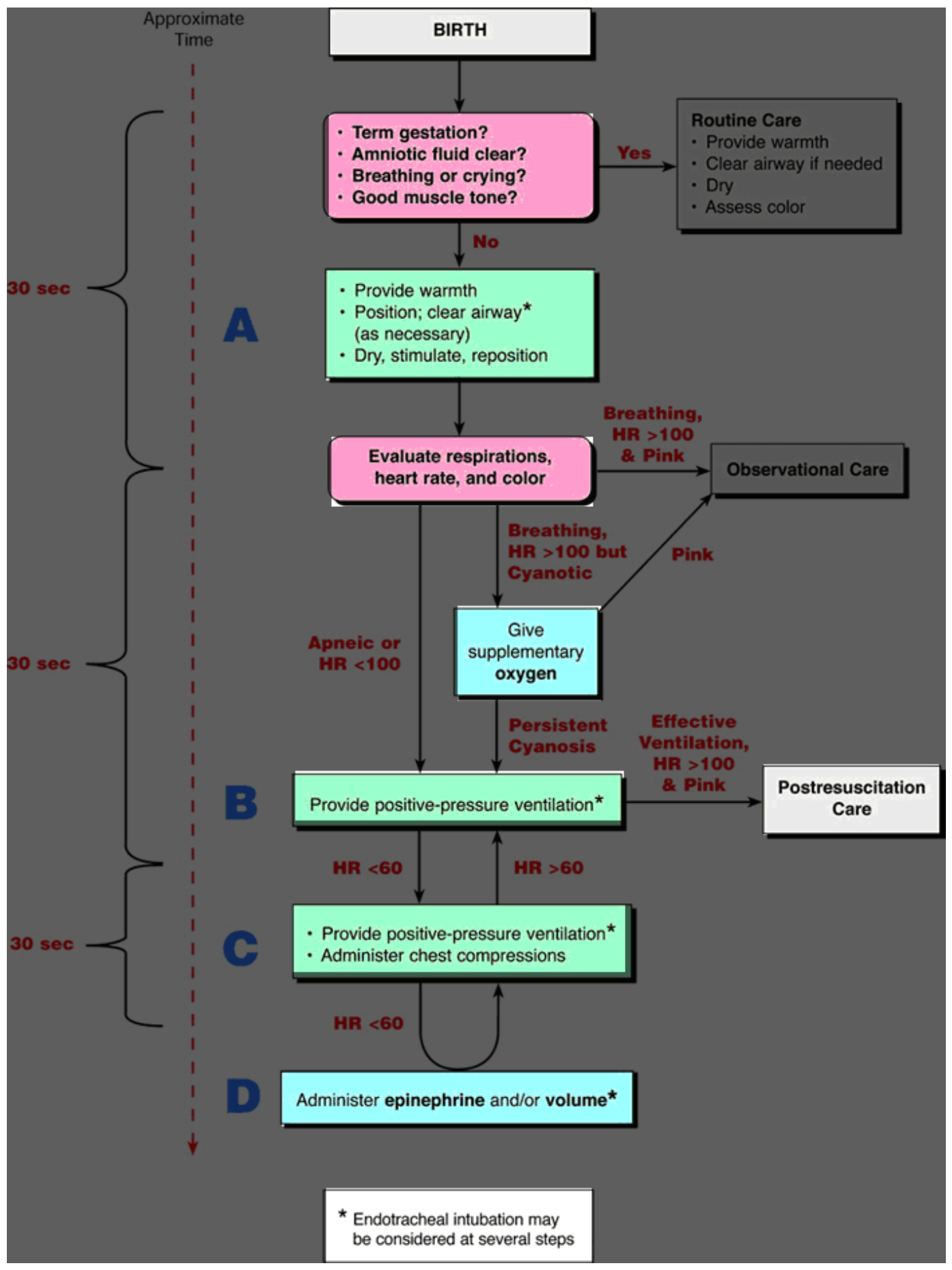
Parts of the resuscitation algorithm covered by training scenario (level) 3.
Designing the Learning Journey
One of my primary responsibilities was designing how players progressed through the training experience. Rather than presenting every neonatal procedure at once, I developed the progression for the tutorial and the first three difficulty levels. Each level introduced new concepts while building on previously learned skills, allowing players to gradually develop confidence before tackling more complex scenarios. The progression mirrored real neonatal resuscitation practices while balancing educational goals with engaging gameplay.
FROM FLOW CHART TO GAMEPLAY
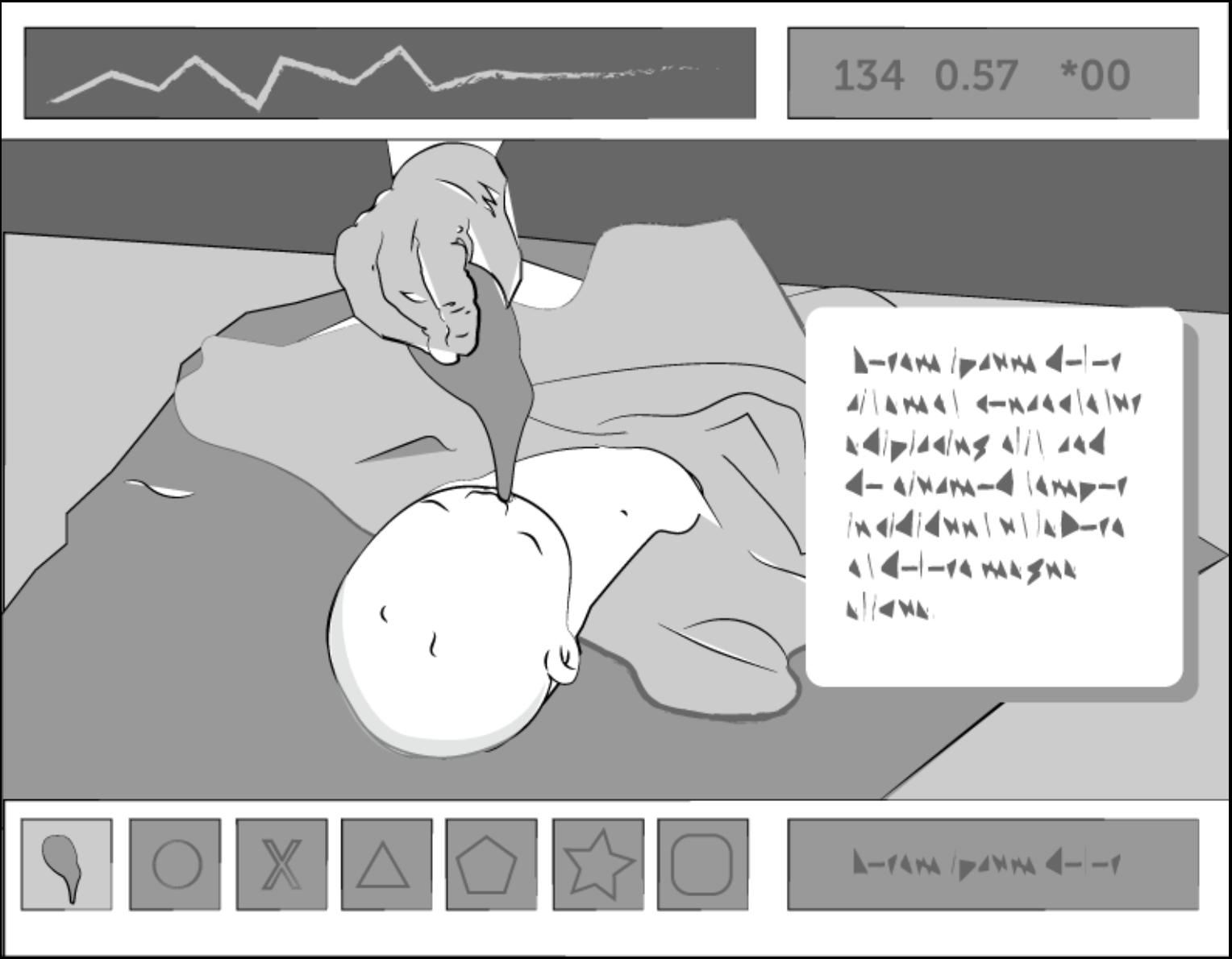
Research — Clinical Workflow — Wireframes — Prototype — Gameplay — Iteration
Designing Around Constraints
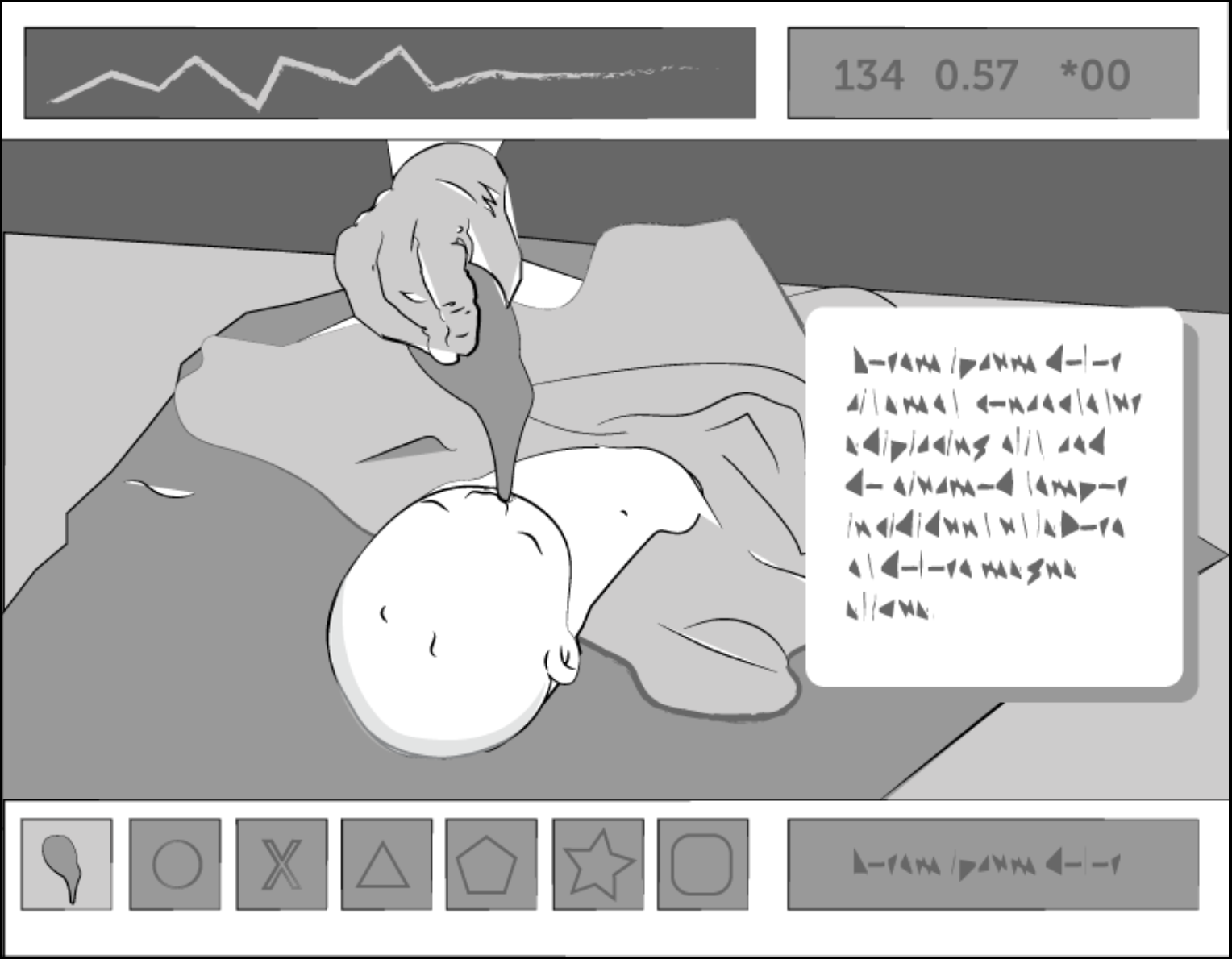
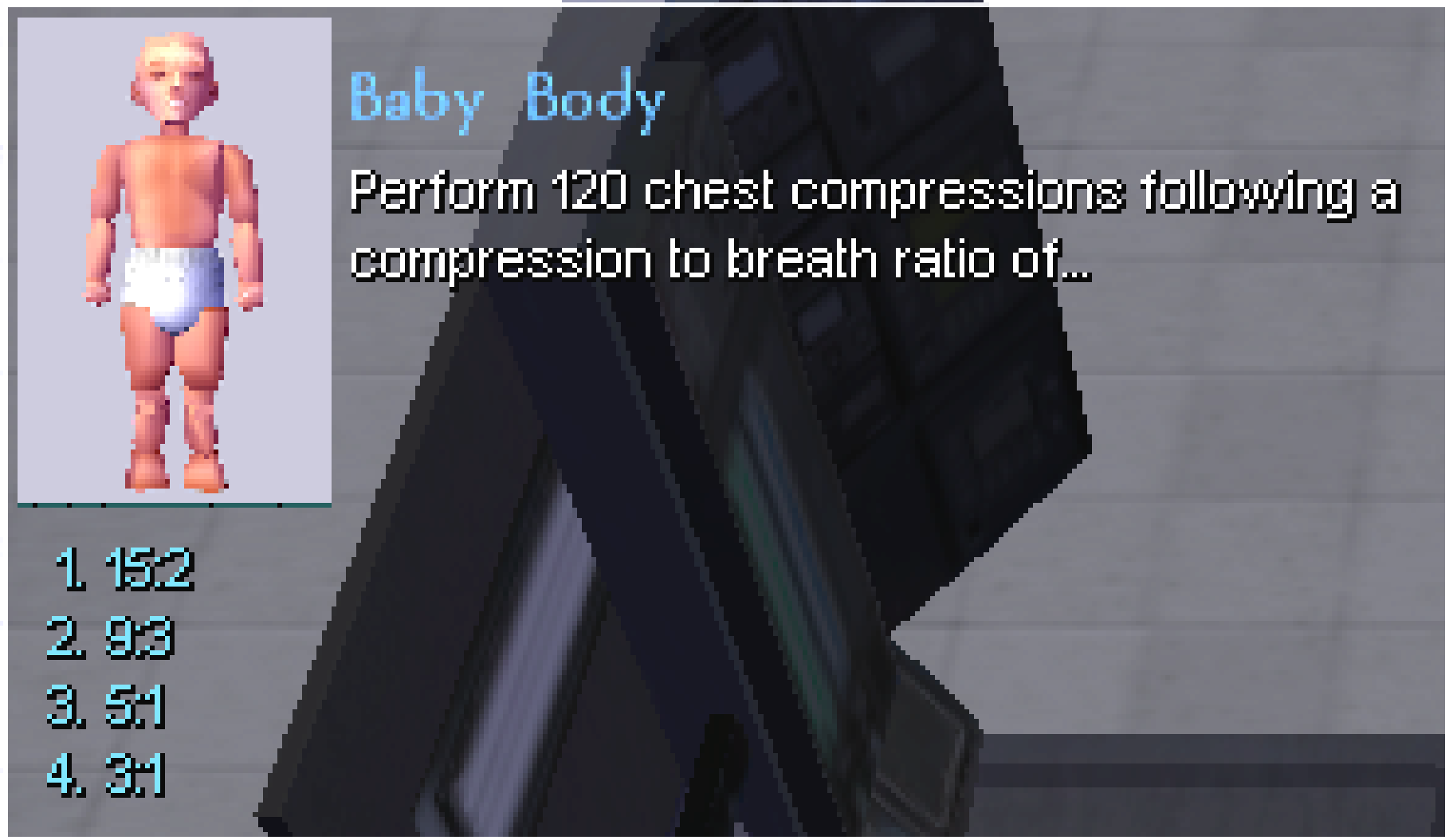
The original interface focused on making patient information, medical tools, and instructional guidance immediately accessible. As development progressed, technical limitations required the team to simplify parts of the interface while preserving the core learning experience. This iterative process reinforced an important lesson: great design often comes from balancing ideal user experiences with real-world constraints.
UX PRINCIPLES APPLIED
Progressive Learning
Medical procedures were introduced one step at a time, allowing players to build confidence before tackling more advanced scenarios.
Immediate Feedback
Dialogue, audio cues, and patient condition provided continuous feedback, helping players understand the consequences of their decisions.
Experience Design
Gameplay mirrored real neonatal resuscitation protocols, transforming complex medical procedures into an intuitive interactive experience.
Cross-Disciplinary Collaboration
Close collaboration between medical professionals and students from multiple disciplines ensured the final product balanced clinical accuracy with usability.
OUTCOME
Published Research
The project became the subject of a peer-reviewed research paper exploring serious games for neonatal resuscitation training.
Real-World Collaboration
Developed alongside neonatal specialists to support healthcare education.
Lasting Impact
Introduced me to many of the principles that would later shape my approach to UX and product design.
REFLECTION
What This Project Taught Me About UX
Although I wasn't formally studying UX at the time, RETAIN introduced me to many of the principles I now use as a product designer. Designing around user needs, simplifying complex systems, collaborating with subject matter experts, and iterating within technical constraints all became foundational experiences that continue to influence my design process today.
Looking back, RETAIN reinforced an idea that has stayed with me throughout my career: Great design isn't about the technology it's built with—it's about helping people succeed.